What Is Zero-Click Search?
What is zero-click search?
A zero-click search is one that ends without a click to any website: the user asks, reads what the results page or the assistant itself shows, and leaves. The information reached them; no site received a visit. Once a niche curiosity, it is now the majority case: SparkToro's 2026 clickstream analysis measures 68% of US Google searches ending without a click to the open web, up from 49% in 2019.
Zero-click did not start with AI
Search engines spent a decade building it: featured snippets, knowledge panels, weather and currency boxes, maps. Every one of those answered the query on the results page. AI Overviews and chat assistants did not invent zero-click. They completed it. A generated paragraph that names three brands and answers the follow-up too is the endpoint of a trend, not a break from it.
What changed when the answer became generated
Two things. The answer got opinionated: a snippet quoted one page, while an AI answer synthesizes many sources and decides which brands to name, so being present inside the answer became a competitive surface of its own. And the interaction got conversational: follow-up questions happen in the same box, so the session that once produced three clicks to three sites now often produces none.
The measurement problem zero-click creates
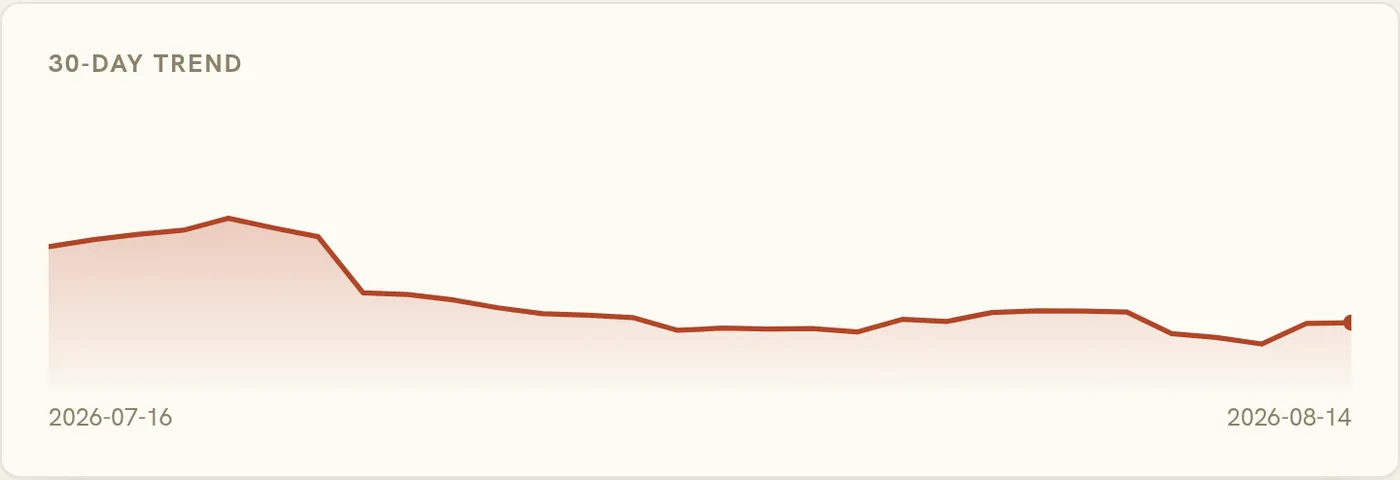
Analytics only sees visitors. When the decision happens on the answer surface, your analytics shows silence while your brand either wins or loses in front of the buyer. That gap is exactly what AI visibility measurement exists to fill: asking the questions buyers ask and recording who the answers name, instead of waiting for clicks that will not come.
Winning in a zero-click world
The unit of competition shifts from the ranking to the mention. Practically: know which of your category's questions get answered directly (informational "why/what" questions overwhelmingly do), make sure the sources those answers draw on know you (off-site GEO), and write your own pages so their passages survive being quoted without a click (writing for AI extraction).
What zero-click does not mean
It does not mean search traffic is over: clicks still flow, disproportionately to the top organic results, and transactional queries still convert. And it does not mean SEO is dead; the same eye-tracking research that maps attention on AI results finds classic organic links still carry the highest click-through on the page. Zero-click means one thing precisely: part of your audience now meets you only inside answers, and if you measure only visits, that part is invisible to you.
Which queries go zero-click, and which still click
The zero-click share is not spread evenly: it concentrates exactly where generated answers are good. Definitional and explanatory questions lead: across published trigger-rate studies, queries starting with "why" and "what" set off AI Overviews at the highest rates, and evergreen topics are far more affected than breaking news. Meanwhile transactional and navigational queries still click, and the same body of research finds classic organic links converting attention to clicks better than any AI element on the page.
For a brand this is a targeting map, not a threat assessment: your category's "what/why/best" questions are being answered in place, so presence inside those answers is the fight, while your commercial pages still compete for the clicks that remain. The two funnels coexist, and measuring them separately is the only way either number makes sense.
Measuring brand impact when there is no click
Zero-click does not mean zero-signal; it means the signals move. Impressions without clicks in Search Console become a real metric: the answer surfaced you, the visit went elsewhere or nowhere. Branded search volume rising while category clicks fall is the classic footprint of answer-surface exposure: people met you in an answer and searched your name later. Direct traffic and "how did you hear about us" fields quietly absorb what referral data lost. AI-influenced conversions covers how to catch that honestly.
And presence itself becomes measurable where analytics is blind: asking the buyer questions on a schedule and recording who the answers name is precisely the job of prompt tracking. In a zero-click market, that presence record is the closest thing to a rank report the channel can give you.