AI Visibility for Law Firms: A Practical Playbook
When someone types "best employment lawyer near me for a wrongful termination case" into ChatGPT instead of Google, the firm that gets named has a real advantage, and most firms have no idea whether that's them. This is a practical playbook for legal AI visibility: how AI assistants decide which lawyers to recommend, and what a firm can actually do about it.
Why legal queries change what AI visibility means
Legal is a YMYL category ("your money or your life"), the kind of high-stakes topic where AI models are deliberately more cautious. That changes the game in two ways.
First, the trust bar is higher. For a lightweight query, an assistant might name any plausible brand; for "which lawyer should I hire for a custody dispute," it leans harder on signals of genuine authority and reputation before it names anyone. Thin or promotional content earns less trust here than in almost any other vertical.
Second, models often hedge. Instead of a single recommendation, a legal answer may describe how to choose a lawyer, point to bar associations and directories, and name firms more carefully. Being visible in this context isn't just about being mentioned: it's about being the firm the assistant is comfortable pointing a high-stakes decision toward. That's the same dynamic we cover for the finance YMYL vertical; legal sits in the same family.
Source ecosystems lawyers should care about
AI assistants don't invent recommendations; they retrieve from sources. For legal, a specific set matters more than a firm's own website.
Bar associations and official directories carry unusual weight because they signal verified, licensed authority, exactly what a cautious model wants for a YMYL answer. A complete, accurate listing where your jurisdiction's bar publishes members is foundational.
Legal directories and referral platforms (the review-and-listing sites specific to the legal market) are frequently retrieved for "best lawyer for X" questions. A claimed, complete, well-reviewed profile on the ones that matter in your region does more than another page on your site.
Review platforms shape the sentiment around your name. A model doesn't just check whether you exist; it reads how clients describe you. Keeping genuine review profiles active and honest is part of the work, the same principle behind how review platforms drive AI recommendations.
Your own site still matters, but as the entity anchor: a clear practice-area structure, consistent name and contact details, and pages that directly answer the questions clients ask, so the model can connect a recommendation to a real, licensed firm.
How people ask AI about lawyers
People don't ask AI the way they typed into a search box. Legal queries in an assistant tend to be long, situational, and framed around a problem rather than a service.
Someone rarely asks "employment lawyer Istanbul." They ask "my employer fired me without notice after I reported safety violations, what kind of lawyer do I need and how do I find a good one." The assistant has to infer the practice area, the jurisdiction, and the quality bar, then answer. Firms that publish content organized around real client situations (the problem in the client's words, not the practice area in the firm's words) match these queries far better.
The practical implication is to map your content to situations: the specific disputes, filings, and decisions your clients face, answered plainly. That's both good client service and the shape AI assistants reward.
A realistic first-90-days checklist
You can't fix legal AI visibility in a week, but you can make real progress in a quarter.
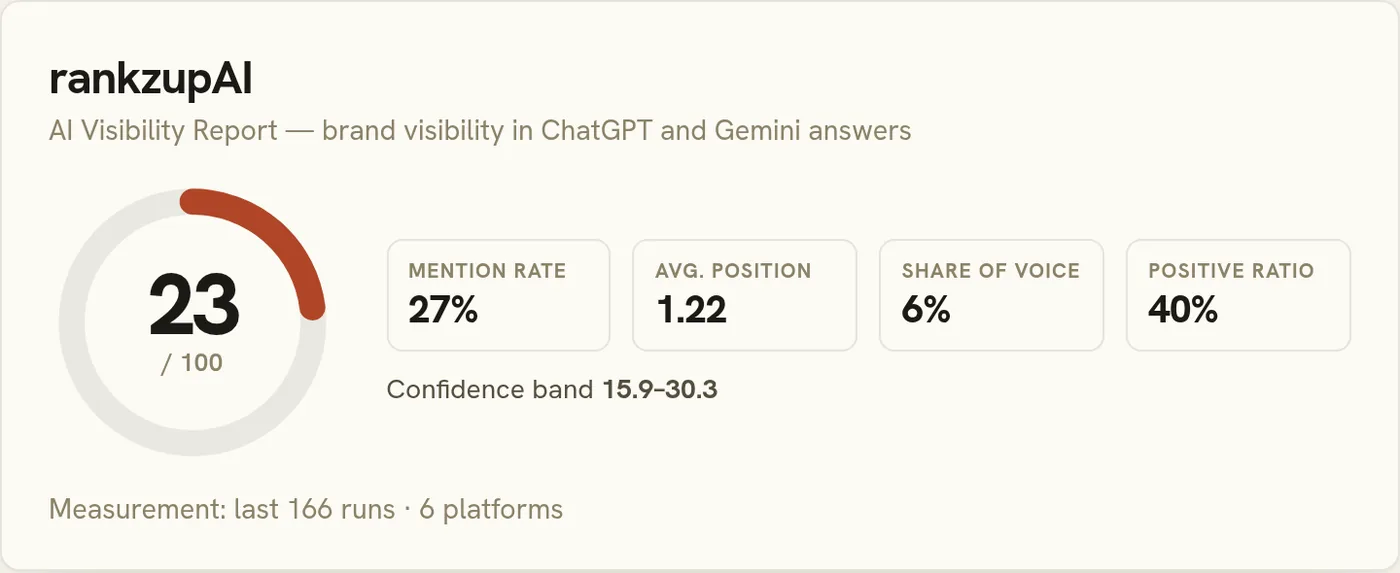
First two weeks: measure and audit. Find out where you actually stand: ask a handful of real client-style questions across ChatGPT, Gemini and Google AI Overviews, and note whether you're mentioned and who is. Then check the basics: is your bar listing complete, are your directory profiles claimed, do AI crawlers reach your site.
Weeks three to six: fix the foundations. Complete and correct your bar and directory listings, claim and fill review profiles, and make sure your site states your practice areas, jurisdiction, and contact details consistently so the model can pin your firm as a clear entity.
Weeks six to twelve: earn authority. Publish a few genuinely useful, situation-based guides for your core practice areas, encourage satisfied clients to leave honest reviews where it's ethically permitted in your jurisdiction, and keep an eye on the trend rather than any single answer.
Throughout, respect the advertising and solicitation rules that govern legal marketing in your jurisdiction. Nothing here should override your bar's ethics rules. For how this vertical fits the broader picture, see all our industry AI visibility playbooks.
Legal AI visibility rewards exactly what good legal reputation always has: verified authority, honest reviews, and clear answers to real client problems. AI just reads those signals faster, and names fewer firms because of them.
In a regulated field the safest claim is a measured one. How AI visibility is measured is what turns this playbook into something you can report internally.